PIXEL ART IS
LIQUID GOLD.
The permissionless launchpad on Robinhood Chain Testnet for tokens that come with their own on-chain glyph built in. Upload a photo, deploy a tradeable token in few minutes. 1 token = 1 peg: one unique on-chain SVG glyph, born on a bonding curve and graduated to Uniswap v4 forever.
The Pipeline
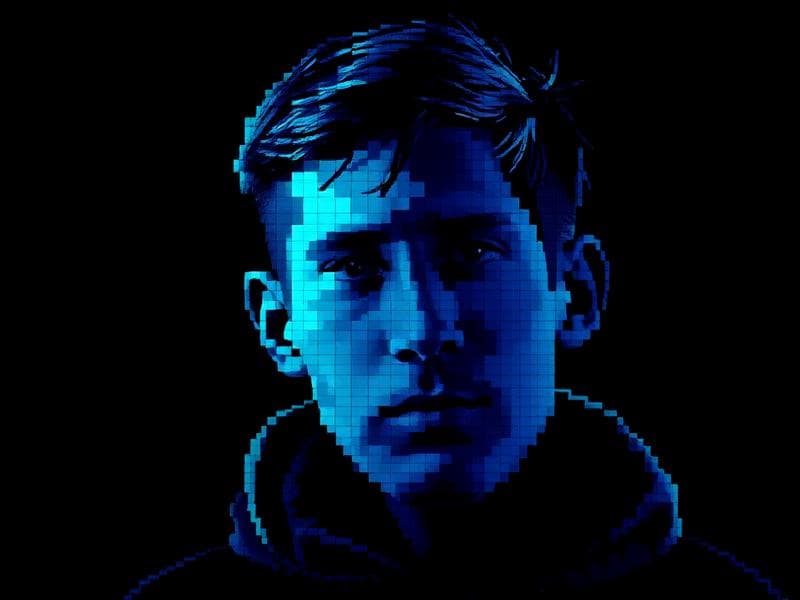 AI Layer Split
01. Photo to Layers
Upload any photo. peg.fun's AI pipeline segments it into 32×32 pixel-art layers (body and limbs), then a deterministic packer converts them into compact on-chain bytes.
 On-Chain SVG
02. On-Chain Rendering
No IPFS. No off-chain storage. The renderer reconstructs every unique glyph from compressed bytes inside the contract, so your art is on-chain forever, indexed for free, reproducible without trust.
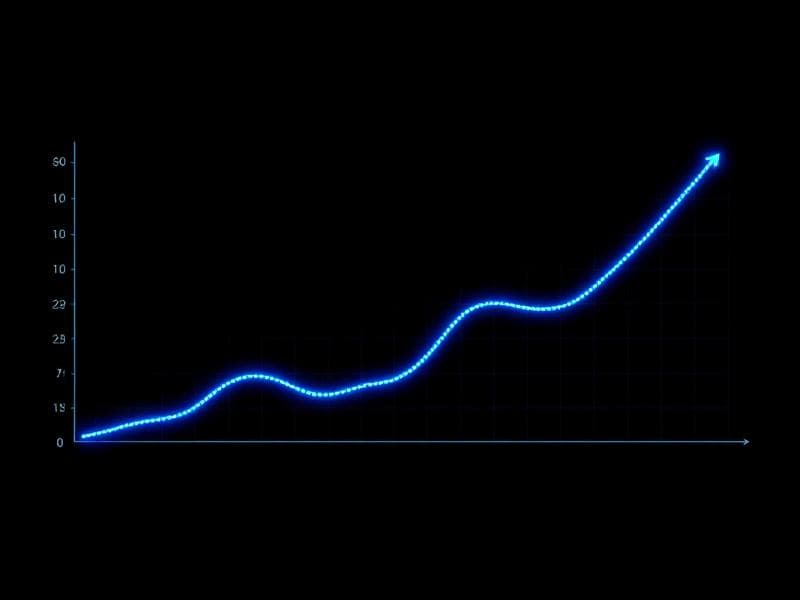 Bonding Curve
03. Curve to Graduation
Tokens trade on a bonding curve embedded in a Uniswap v4 hook. When the curve fills with 4.16 ETH, liquidity migrates atomically into a permanent v4 pool and the LP locks permanently inside the hook itself, unmovable by anyone.
LIVE ON CURVE
Real-time bonding progress on Robinhood Chain Testnet
PROTOCOL SPECS
What makes peg.fun hybrid?
Every 1.0 PEG token equals one unique on-chain pixel-art glyph. They are inseparable. Buying PEG mints a glyph to your wallet, selling burns it, and transferring sends the glyph with the token. The art is rendered fully on-chain from compressed bytes; nothing lives on IPFS or off-chain storage.
How does the on-chain renderer work?
Each collection stores its art as compressed rectangle data inside the renderer contract. When you view a glyph, the contract reconstructs the 32×32 SVG from those bytes deterministically, so the same input always produces the same image. The art is permanent for as long as the chain exists.
Is it rug-safe?
At graduation, the bonding curve's liquidity is atomically deposited into a Uniswap v4 pool, and the LP position locks permanently inside the hook contract itself. No upgrade path, no pause function, nobody can touch a holder's balance. No one in this protocol can touch this liquidity — not peg.fun, not the creator, not any holder. peg.fun keeps exactly one narrow, one-way exception unrelated to liquidity: redirecting a graduated token's creator fee to holders on an approved community takeover. For a collection quoted in a Robinhood stock token, the quote asset itself is Robinhood-issued: Robinhood can pause, block or burn its own tokens, and peg.fun has no control over that and no way to reverse it.